
What keeps panelling looking intentional
Spacing kept balanced
The layout is measured to suit the room instead of guessed on the day.
Sockets and corners planned
Existing features are worked into the design for a cleaner finished look.
Paint ties it together
Preparation and decorating are handled as part of the same fitted finish.
Plain walls can carry more shape and detail
A plain wall does not have to stay plain if the proportions of the room are asking for a bit more structure. Wall panelling can add depth, balance and architectural interest without making the space feel overloaded, provided the layout is measured to suit the room. We can work with framed panels, half-height layouts, full-height treatments or vertical slatted effects, setting everything out around doors, sockets, corners and existing features so the spacing still looks considered. With Westgates Property Maintenance Ltd, panelling in Colchester is made to fit the wall you have, not the wall someone else photographed.
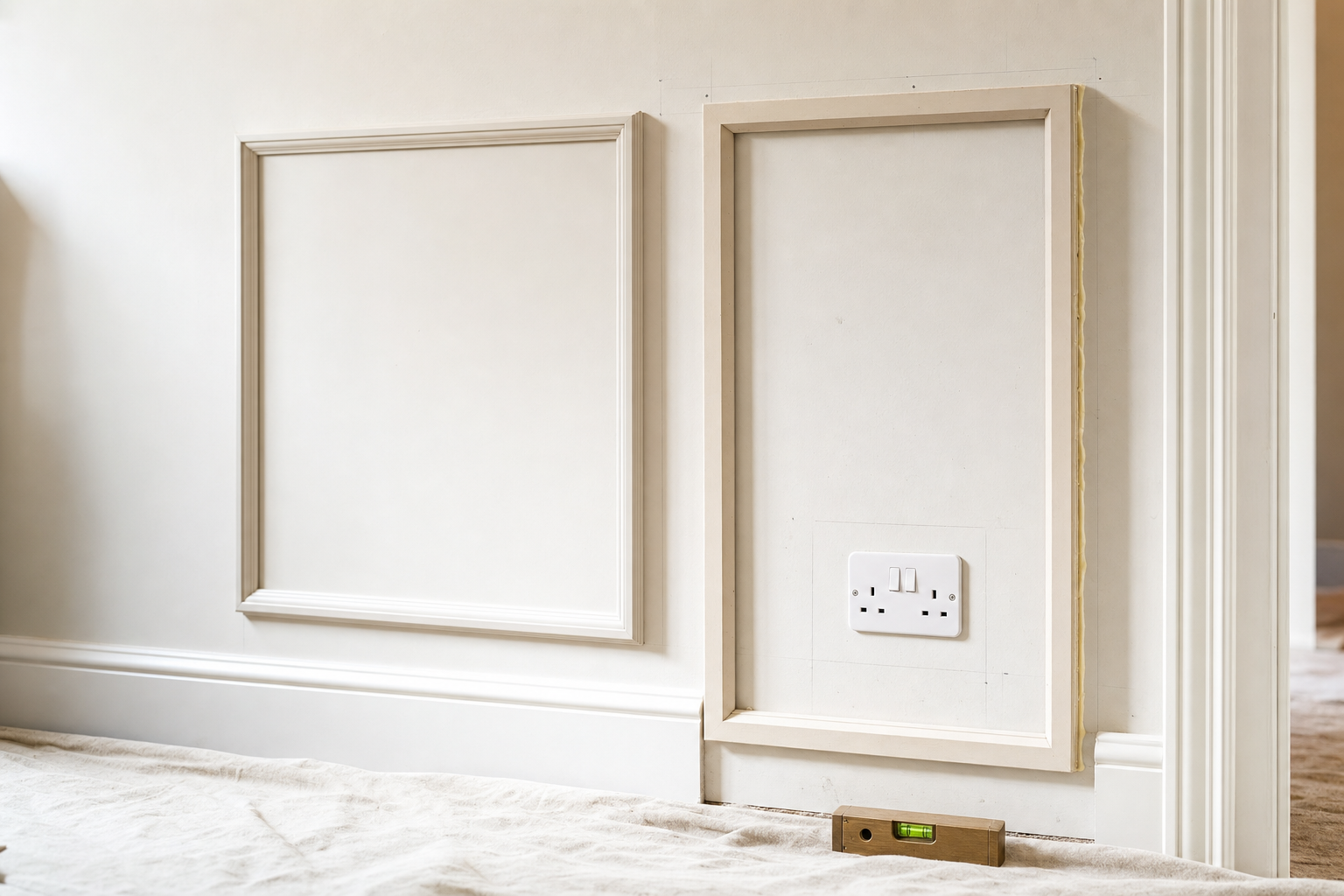
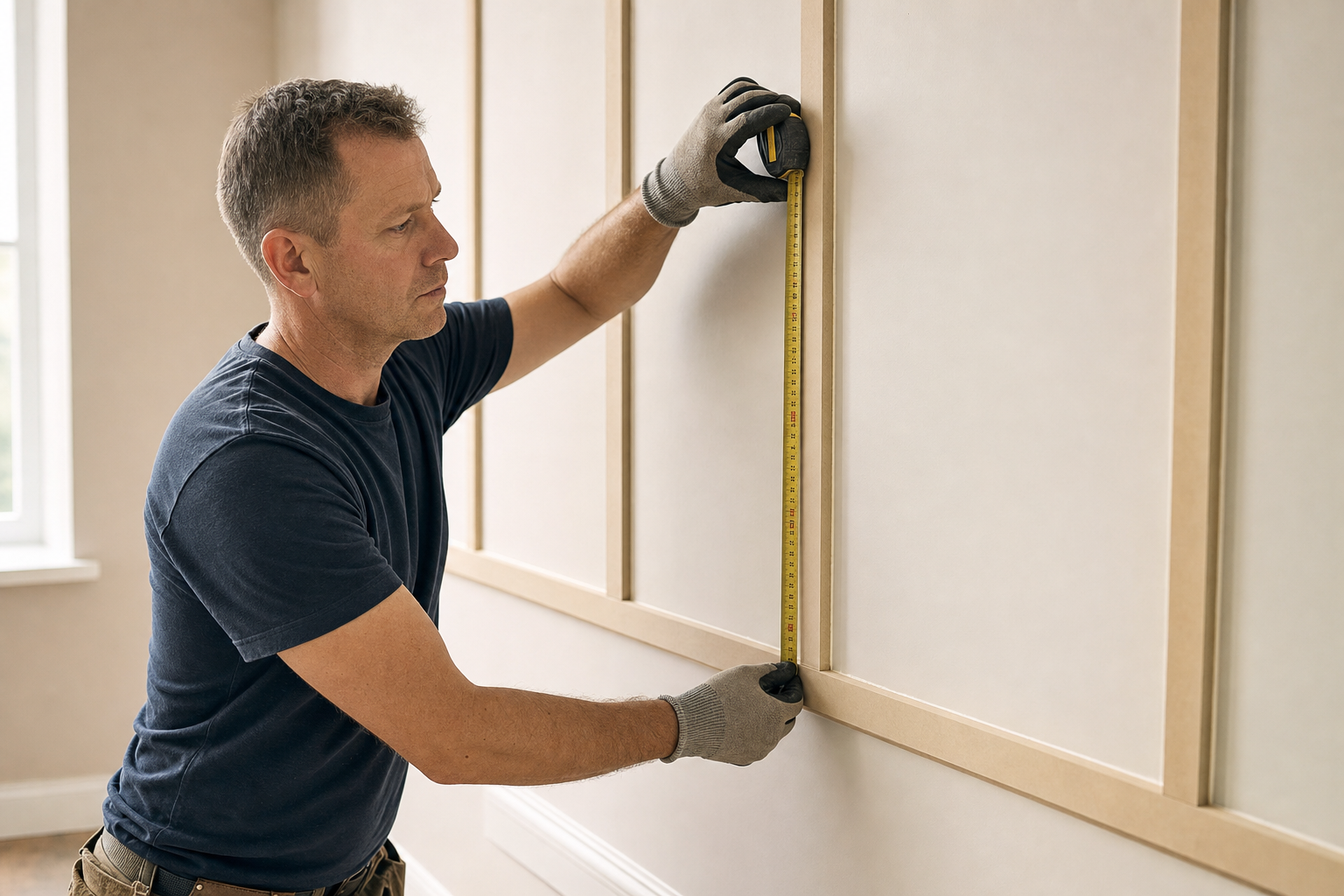
Set out properly, then finished cleanly
The neatness of the final result comes from the early stages just as much as the paint colour. Walls need suitable preparation, panels need secure fixing and the joints, filling and priming all need to be handled carefully before the finished coat goes on. A panelling layout from Westgates Property Maintenance Ltd also takes account of panel size, rail height, spacing and colour, because those decisions affect whether the room feels traditional, contemporary or pleasantly understated rather than awkwardly split in two.
Frequently asked questions
What styles of wall panelling can you fit?
We can work with several common approaches, including framed panels, half-height layouts, full-height treatments and vertical slatted effects. The best option depends on the size of the room, the look you want and how strong a feature the wall should become.
Do the walls need much preparation first?
Often, yes. Good preparation helps the panels sit properly and supports a cleaner painted finish later. Depending on the wall condition, that can include making the surface sound, sorting minor defects and planning around sockets, corners and existing features.
Can panelling work in smaller rooms?
Yes, if the proportions are handled properly. Panel size, spacing, height and colour all affect how the room feels, so careful setting out is important. A smaller room often benefits from a quieter design rather than heavy or oversized detailing.