
What helps exterior paint last longer
Coatings chosen for exposure
Products are matched to the surface and the conditions it has to face.
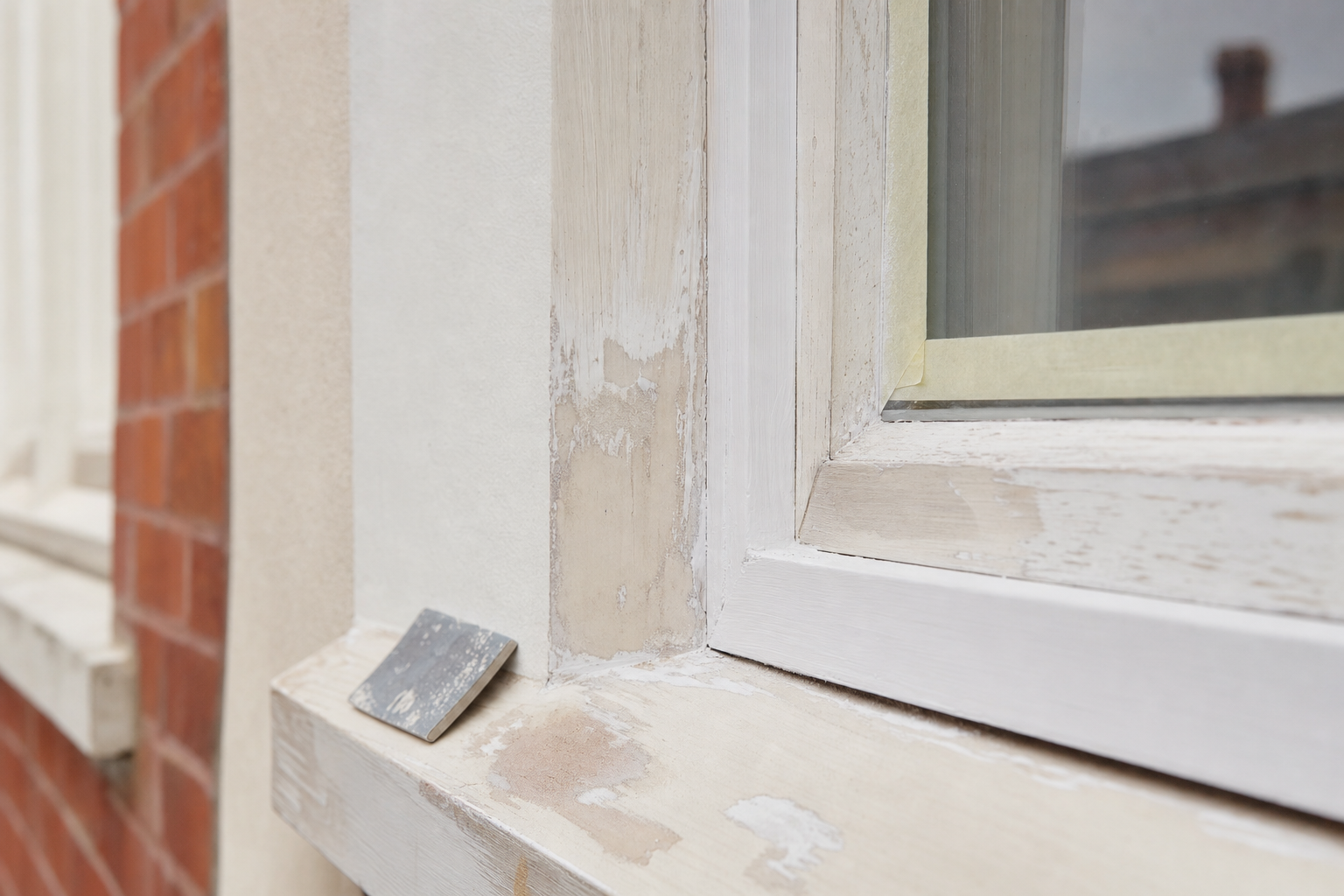
Unstable paint removed
Loose and failing coatings are dealt with before new paint goes on.
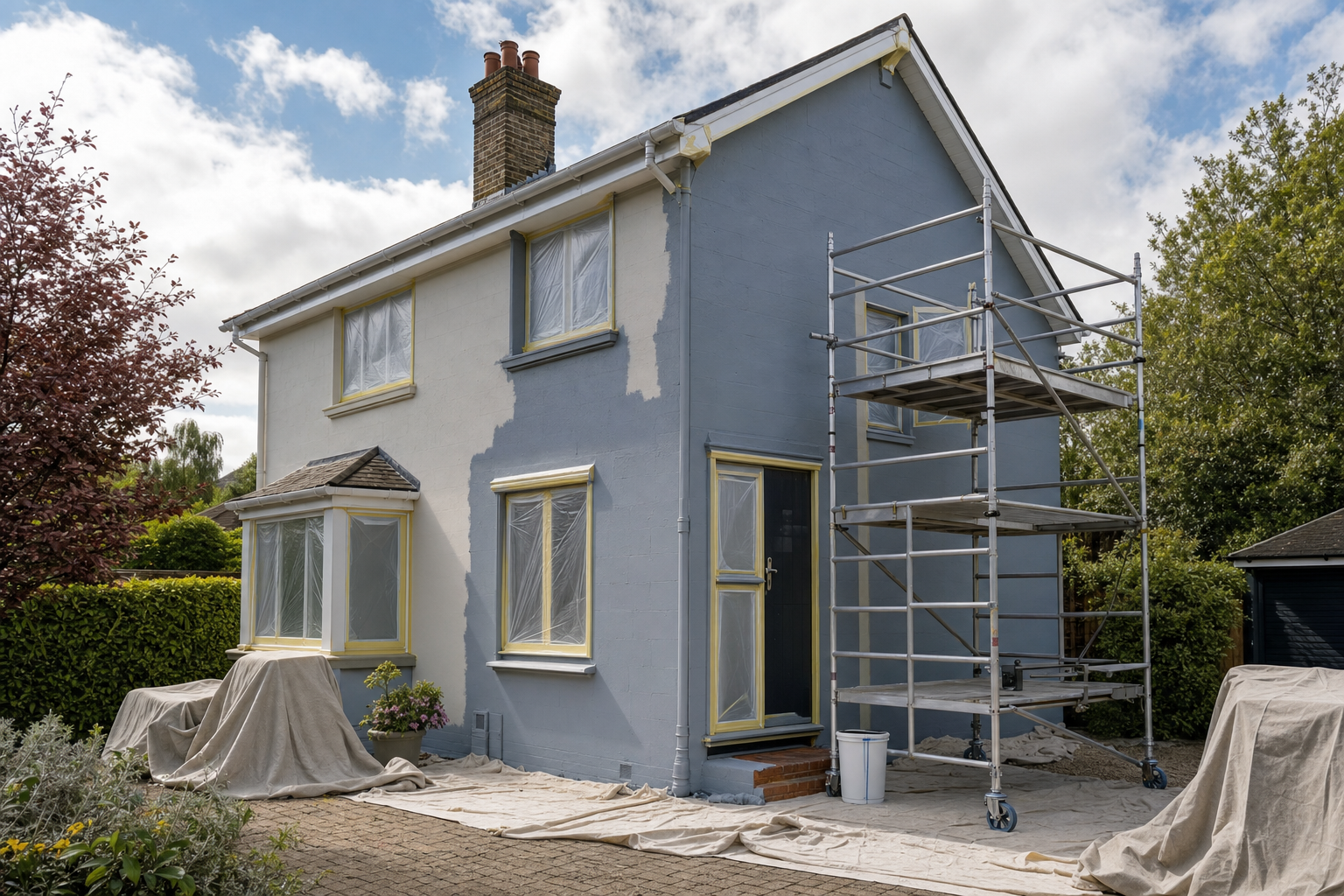
Work timed sensibly
Drying, curing and access all shape the right time to carry out the work.
The finish only lasts if the surface is ready
Exterior painting does two jobs at once: it improves how the property looks and helps protect exposed surfaces from further wear. That only works properly when the preparation is taken seriously. We clean surfaces, remove unstable coatings, fill, sand and use suitable primers across masonry, timber and metal before top coats are applied. We also choose coatings according to the substrate, the existing finish and the level of weather exposure. With Westgates Property Maintenance Ltd, exterior painting in Colchester starts with the surface in front of us, not a one-size-fits-all paint choice made too early.
Weather, access and curing all matter
Outside work depends on more than the calendar. Safe access, dry-weather windows, staged application and enough curing time between coats all affect how well the finish settles and how long it holds up. A paint schedule from Westgates Property Maintenance Ltd is planned around those practical conditions rather than squeezed into unsuitable gaps. That is also why it pays to deal with peeling paint and exposed areas early, before decorative failure spreads further and the preparation becomes more involved.
Frequently asked questions
Do you paint masonry, timber and metal?
Yes. We prepare and paint a range of exterior surfaces, but the method and coating choice will vary depending on the substrate, the existing finish and how exposed the area is to the weather. That is decided as part of the initial assessment.
Why can exterior painting take longer than expected?
Because weather, access and drying time all matter. Even when the painting itself is straightforward, the job still needs suitable conditions and enough time between coats for the finish to cure properly. Rushing that stage usually stores up trouble for later.
Is it worth dealing with peeling paint early?
Yes. Early treatment can stop exposed surfaces and unstable coatings from deteriorating further. Leaving peeling paint to spread often means more preparation later and a greater risk that the underlying surface will need additional repair work as well.